
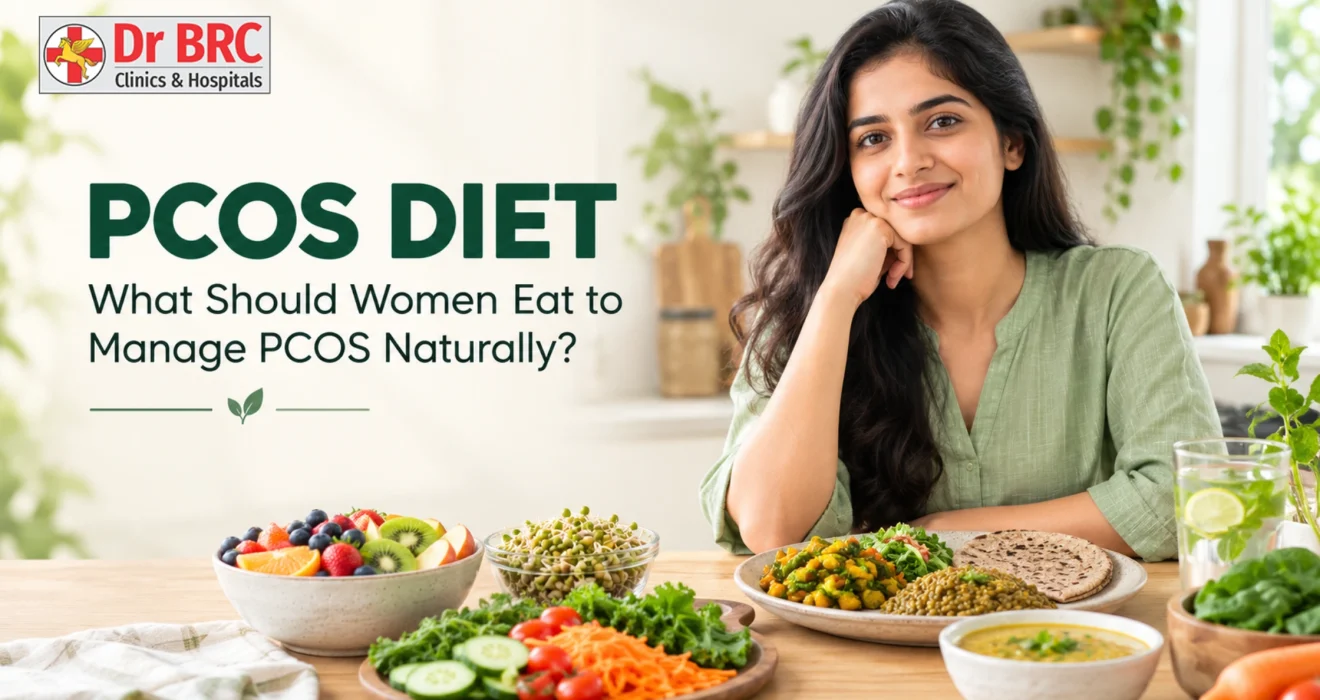
PCOS Diet What should women eat to treat PCOS naturally

What if the best cure for PCOS wasn't another pill, but what you put on your plate?   

PCOS often means irregular periods, hormone imbalance, weight fluctuations, acne, and fertility struggles. Commonly, the treatment depends on medicines, supplements, and repeated intervention. However, many ignore the critical question: How is our daily food related to PCOS?      

The Dr. BRC method emphasizes improving lifestyle factors that affect metabolism and hormone health, rather than managing symptoms. 

Can D.I.P. Diet Really Help with PCOS?

PCOS is not just about reproductive problems. Your insulin resistance and your metabolic health can also be related to this condition. So, what you eat on a regular basis is definitely important.

Now, this is where the D.I.P. Diet (Disciplined & Intelligent Person’s Diet) comes in. The Dr. BRC nutritional philosophy is based on the consumption of foods like fruits & vegetables, home-cooked vegetarian food, and avoiding refined & processed foods. Instead of consuming refined, packaged, and hyper-processed foods. D.I.P. Diet emphasizes whole, plant-based foods that are closer to their natural form. You can follow the D.I.P. Chart by Dr. BRC to know the exact amount of food you need as per your body weight.

What Should You Eat in PCOS?

  1. Start With Fresh Fruits

Fresh seasonal fruits can be the perfect addition to a whole-food diet. Instead of starting the morning with processed foods, biscuits, or sodas, the D.I.P. method encourages making fruits the first thing to consume in the morning. Opt for different types of fruits rather than juices to make sure you eat them in their natural form.

  1. Make Raw Vegetables a Part of Your Meal

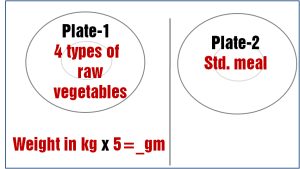
One of the D.I.P. Diet’s biggest benefit is the two-plate system. The initial plate features an assortment of raw vegetables like cucumber, carrot, tomato, and radish. The second plate has some basic, home-cooked vegetarian food including zero grain roti/chappati. This strategy shifts the vegetables from a small side dish to a core part of the meal.
  1. Prefer Simple, Home-Cooked Food

You do not need to make your PCOS diet complicated. Opt for simple, home-cooked meals with vegetables, dal, and other less processed plant based foods. With the D.I.P. method, eat less oil and salt and cut down on fried and junk food. The intention is not to go on a hunt for a “PCOS superfood”, but to improve the quality of your diet overall.

What Food Should You Avoid?

In order to treat PCOS naturally, what you remove from your plate is just as important as what you add.

The DIP Diet suggests abstaining from:

  • Processed and packaged foods
  • Fried and junk food
  • Highly processed snacks
  • Non-veg and dairy products
  • Too much oily food

PCOS Is Not Just About Weight

Many times, people make the mistake of assuming that you just need to shed a few pounds for PCOS. A more sensible approach would be to observe the “whole lifestyle”- diet, exercise, sleep, stress, daily routine. This is the approach of Dr. BRC in his recommendations and has not limited his focus to medication.

Dr. BRC suggests: Natural light and sleep, as well as regular exercise, adds up immensely to the overall metabolic and hormonal health. It should be mandatorily included in your routine.

Beyond Diet: Additional Practices that Assist

Dr. Biswaroop also offers a few lifestyle changes that will aid your body in healing naturally:

  • Sunlight: Make sure to spend at least 30 to 45 minutes in the sun every day. This is the simplest source of vitamin D. Morning light helps regulate melatonin timing and the sleep–wake cycle. Good sleep is particularly relevant because sleep disturbances and obstructive sleep apnea are more common in people with PCOS.
    Sunlight exposure also helps in increasing insulin sensitivity.
  • Barefoot walk: Actually walk on the grass every morning – this soothes your nervous system, relaxes your body, discharges free radicals, increases immunity & reduces pain.
  • Warm water therapy: Sit with your leg in warm water or soak it for at least 30 minutes. Warm-water/ heat therapy improves glucose metabolism and testosterone.
  • Head-Down Tilt: Lie down with your head a little lower than your feet. I know it sounds strange, but this helps your blood circulation.
  • Breathing exercises: Perform a daily breathing exercise or pranayama. In just 10 minutes of belly breathing, notable changes in insulin, glucose and several lipid measures have been observed.

The Bigger Question: What Are You Feeding Your Body?

It is easy to get caught up in a cycle of searching for that next pill, supplement, or treatment that will fix your PCOS.

But natural healing begins with a different question:

“What should I do every day?”

Food. It’s the one thing you eat every day. Upgrading the choices you make is a simple way to start supporting your health.

At the heart of the Dr. BRC philosophy of Food as Medicine is its lifestyle-based approach, of which the DIP Diet is an integral nutritional framework.

Final Thoughts

A PCOS diet does not need to be gourmet recipes, super costly supplements, and extreme food restriction. It can start with something so much easier: More whole foods, more fruits and vegetables, less processed foods, more discipline!

PCOS isn’t about finding that one magical food. It’s about setting up your environment to make those healthier choices a part of your daily life.

Before asking, “What should I take for PCOS?” Yet? Ask, “What should I change?”

Frequently Asked Question

 The good news is, for many women, yes. Since PCOS is identified as being related to insulin resistance, changing your diet and lifestyle can help clear up your cycle, skin, weight, and fertility.

No, not really. Whole carbs (fruits, vegetables, millets & Zero Grain Atta/Flour) are the ones that actually work. It is the refined carbs, sugar, and added oils that need to be strictly avoided.

Increasingly, women report a reduction in both acne and hormonal symptoms when they avoid dairy. Give it a go for 6-8 weeks and see what difference it makes.     

Energy & cravings typically increase within weeks. For most women, consistent periods could take 3 to 6 months of continued change.

Yes. Many women with PCOS are lean yet insulin resistant.