
What is Insulin Resistance? Symptoms, Causes and How to Improve Insulin Sensitivity Naturally
The modern lifestyles today are unknowingly creating the potential for life threatening metabolic diseases. One of those silent conditions we’re increasingly developing is insulin resistance. Once you understand how it can develop, you’ll realise there are simple changes you can implement to protect your health.
What Is Insulin Resistance?
Insulin resistance is when your body’s cells don’t respond normally to insulin – the hormone responsible for moving glucose from your bloodstream into your cells to be used for energy. It can silently develop over a period of years before leading to prediabetes and type 2 diabetes.
Standard medicine might mask the blood glucose through drugs, but insulin resistance is significantly affected by these factors of lifestyle: food, physical activity, sleep, stress, and weight – and this is when a lifestyle centred holistic health approach is a real benefit.
The Dr. BRC approach looks at lifestyle as the foundation of the solution, where nourishment and the DIP Diet (Disciplined & Intelligent Person’s Diet) is a key pillar.
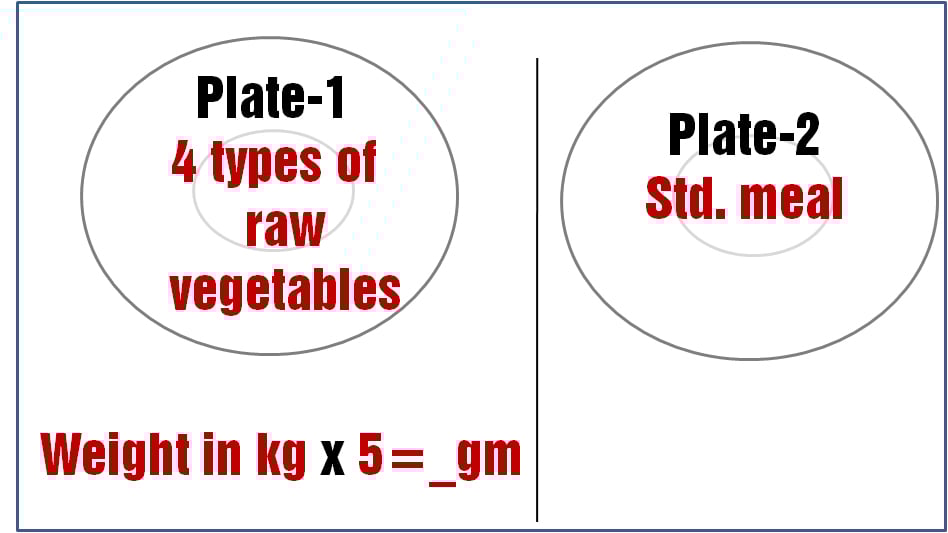
Insulin Resistance and Diabetes: What's the Connection?
Insulin resistance and type 2 diabetes are different conditions. The pancreas makes plenty of insulin for insulin-resistant people and type 2 diabetics – at first. The trouble is, the body can’t use it efficiently. Your body can’t keep up with the demand for insulin and blood glucose levels begin to rise to alarming levels (the pancreas won’t be able to produce enough insulin).
What Are the Symptoms of Insulin Resistance?
While insulin resistance may be asymptomatic, some of the early warning signs can be:
- Cravings for food
- Weight gain or difficulty in losing weight
- Fatigue
- Increased waist circumference
- Skin tags or dark skin patches
- Blood glucose levels, HbA1c or insulin levels outside the normal range
- Dyslipidemia (high triglycerides and/or low HDL cholesterol).
Insulin Resistance Causes: Is Food Part of the Problem?
There are numerous intersecting factors that can influence the development of insulin resistance including: body composition, lack of exercise, sleep, age and the foods we eat and day to day lifestyle.
The quality of the food really is a primary concern. Imagine having to choose between two very different foods: a sugary soft drink, versus a salad of vegetables. Both contain carbohydrates but your bodies don’t process them the same.
Sugary drinks are high in the sugar that’s easy for the body to use and they spike blood glucose in an instant. Foods such as fruits and vegetables are full of carbohydrate, but they also include fibre acting as a filter to slow down the absorption of glucose into the blood.
So the take away message is that the form, quality, and complete pattern of our food are important.
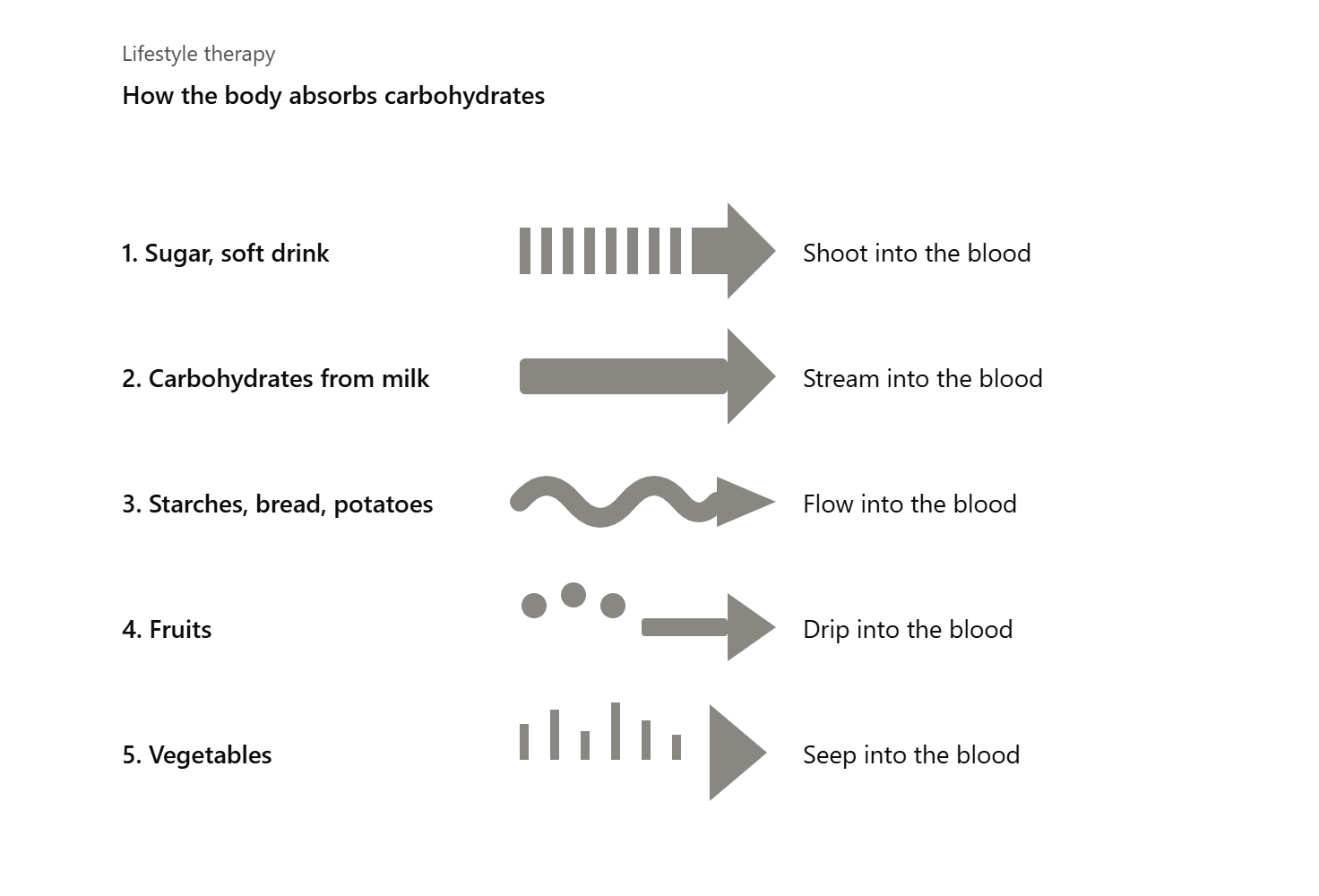
The core message behind the lifestyle element is simply this: the type of carbohydrate and its level of processing counts.
Modern nutrition advises consuming foods that are unprocessed or minimally processed including healthy portion sizes of vegetables and fruits, pulses and whole grains and limit foods with lots of sugar and “bad” fats. Modern diets high in ultra-processed foods and excess calories make it more difficult to keep our metabolic health on track.
Food is just one aspect of Dr. BRC's lifestyle methodology
Our health is shaped not just on the plate. The Dr.BRC approach considers the following:
- Natural, minimally processed food
- Regular physical activity
- Sunlight exposure
- Circadian cycle- eating window between 8am to 6pm
- Avoiding processed food
- Interpreting your health through body messages i.e symptoms and discomforts.
The goal is to make health something a person actively participates in rather than something addressed only after illness appears.
How Can We Naturally Improve Our Insulin Sensitivity?
Improving insulin sensitivity generally involves addressing several lifestyle factors. It typically doesn’t rely on a single food, supplement or treatment intervention:
1. Focus on Whole Foods
The overall quality of your diet can make a big difference to metabolic health. Including more fruit and vegetables and other wholefood, minimally processed food plus avoiding or limiting highly processed and refined foods helps to support better metabolic health.
The D.I.P. Diet is a core component of the Dr BRC’s approach and revolves around a wholefood plant-based framework that draws focus back onto fruits, vegetables and home cooking, while minimizing refined and processed foods.
2. Be Physically Active
Regular physical exercises help muscles to improve insulin sensitivity, with appropriate forms of activity such as walking and strength training great options.
3. Sleep Well
Sleep can be a key factor for good metabolic health. Irregular, lacking or poor quality sleep can affect appetites, stress hormone levels, insulin and blood sugars.
4. Manage Stress
A chronic rise in stress levels can impact hormones, sleep, diet and activity levels – so appropriate routines, relaxation and stress-busting activities can all play a key part in supporting better metabolic health.
5. Sunshine
Mandatory sunshine preferable morning hours helps greater assimilation of sugar and increase in cell sensitivity towards insulin.
Can Insulin Resistance Be Managed Without Medicine?
Lifestyle changes Lifestyle changes can help dramatically improve metabolic health.
Dr. BRC’s philosophy encourages people to look beyond simply managing numbers and examine the daily habits that may be contributing to those numbers in the first place.
The Bigger Question: How Are You Fueling Your Body On A Daily Basis?
Insulin resistance may seem like a blood sugar and insulin problem, but it’s really a food, movement, lifestyle and long-term habits problem.
The Dr. BRC approach asks this question as a central principle:
Before we get to a point where you need intervention, is there a better choice that we can make with our life?
Using food as a focus through the D.I.P. Diet and expanding it into natural lifestyle choices, the aim is to inspire individuals to take an active and aware role in their own well-being.
Because sometimes the first step to better health starts with not asking, “What should I take?”
It starts with:
“What should I change?”