
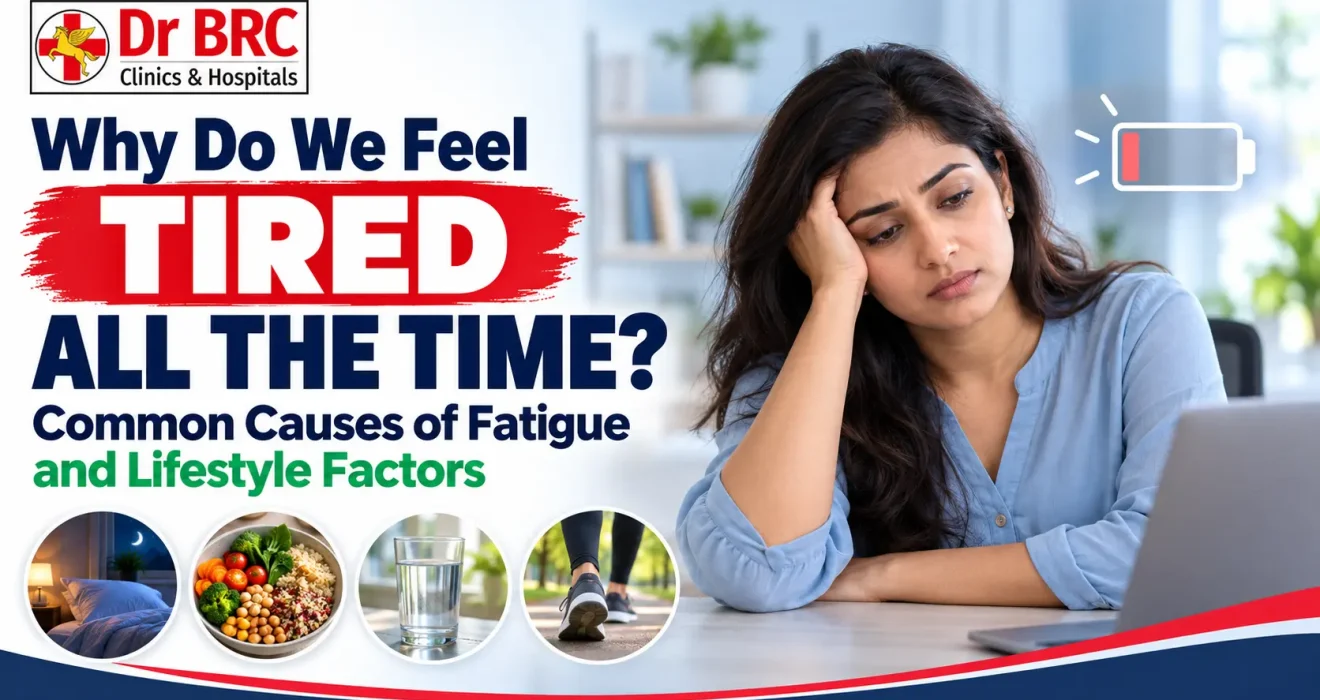
Why Do We Feel Tired All the Time? Common Causes of Fatigue and Lifestyle Factors
You sleep all night, get up in the morning, get dressed for work, and already you’re exhausted. By noon, you’ve had another cup of tea or coffee, and by night time, your chores are becoming too much to bear.
But why?
Is it that you are not getting enough sleep? Is your diet making you tired? Could long periods of time in a sedentary position be the cause of your fatigue? Or is your fatigue getting your attention?
Naps, caffeine, and relaxing can help when you’re feeling the occasional fatigue. However, if you consistently don’t have enough energy, it’s time to take a more in-depth look at your lifestyle.
What Is Fatigue?
Fatigue is more than simply feeling sleepy. You sleep for many hours but still wake up feeling exhausted. You find it hard to focus, physically drained, demotivated, or perennially lacking in energy.
Fatigue is not a disease; it’s a symptom and can be caused by all sorts of things, including your lifestyle or deeper health issues.
Therefore, the question should always be…
“What can I take for my tiredness?”
Sometimes, a better question is:
Are my lifestyle habits affecting my energy?
Why Do You Feel Tired All the Time?
There isn’t one explanation. It can be one or multiple reasons for fatigue. Some of the main reasons include:
1. Poor or Inadequate Sleep
Sleep is one of the most important, but easily disregarded, factors. Going to bed late, erratic sleep patterns, too much screen time before bed, stress, and a quality or amount of sleep that is constantly interrupted can all impact how rested you feel the following day. If you don’t get enough sleep, you can still be tired even if you stay in bed long enough. Healthy living starts not just with what you consume but with when and how you sleep.
2. Your Food May Be Sapping Your Energy
Your body’s response post-eating may affect your energy level throughout the day. If most of your intake is sugar-sweetened beverages, refined cereals, chips, and fast food, you may get a boost of energy from the refined carbs, but may not be getting the nutrients needed for sustainable health.
And this is when the concept of Food as Medicine comes in. The Dr. BRC model revolves around food and its role in lifestyle management, utilising natural and whole foods and the structured DIP Diet for nutrition.
Instead of thinking only about calories, ask:
“Is this food actually nourishing my body?”
Dr. BRC Suggestion: Fresh, fruit, vegetables, pulses, whole grains, nuts and seeds should be included in a healthy, nutrient-rich diet, and cutting back on foods high in added sugar, salt and unhealthy fat.
3. Sitting Too Much Can Make You Feel More Tired?
It sounds contradictory. So if you are already tired, why bother and put the effort in? However, if one continues to be inactive for too long, this moves into the fatigue cycle. You sit at work. You sit while driving. You sit to watch TV. You’re so tired when you get home that you don’t bother exercising.
The next day, the cycle starts again.
Moving your body regularly may help maintain your energy, sleep, and health. And it doesn’t mean you have to start by doing hard cardio. Going for a walk, doing some stretching, mobility exercises, or simply dividing long stretches of sitting can be an easy first step.
Sometimes the body requires a little shake-up to wake up!
4. Too Much Stress
Modern life doesn’t only exhaust the body. Unrelenting deadlines, money worries, relationship issues, work stress, and information overload can all contribute to a mind in a continuous state of stress. You may be practically glued to your desk – but you’re never actually off the clock.
In the long term, it can impact sleep, appetite, concentration, and how you perceive your energy levels. Quiet time outdoors. Relaxation strategies and setting clearer boundaries around work can become part of an energy-supporting lifestyle.
5. Dehydration and Irregular Eating
The cause of this sluggishness may sometimes be simple. If you do not drink enough fluids or eat only sporadically or do not follow a regular eating pattern, this can influence how you feel during the day.
Don’t keep consuming tea, coffee, or energy drinks as and when you feel sleepy. Notice your basic needs- hydration, a meal or two and enough sleep.
P.O.E.M. for Fatigue: Simple Measures You Haven't Heard of Before
What if you could solve some episodes of tiredness without another caffeine ‘hit’? P.O.E.M. Protocol of Emergency Medicine) can help prevent fatigue by a combination of postural medicine, local application, and a simple decoction.
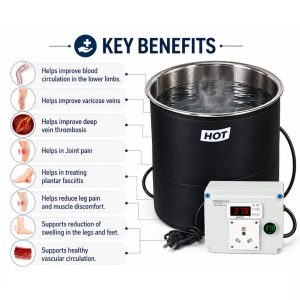
1. Lower Leg Hot Water Immersion (LLHWI)
According to P.O.E.M., fatigue can be controlled by Lower Leg Hot Water Immersion (LLHWI) under Postural Medicine. It specifies that immersion should be applied to both legs, at about 42C and below the knees, for at least 30 min.
This method utilizes a water-based intervention in a very simple protocol that can be administered at home, rather than relying directly on a product or drug.
2. A Simple Turmeric and Cumin Decoction
The P.O.E.M. allows for an easy formulation under “To Consume / Decoction.”
It includes:
- 5 g turmeric
- 5 g cumin seeds
- 200 ml water
The ingredients are to be mixed into water, boiled, and reduced to about 50 ml and to be taken in warm preparation. This material was also used for straining the decoction and letting it cool a little before drinking.
Certainly, this is very different from the way most people handle fatigue today. Instead of running out looking for an energy drink or supplement, the Dr. BRC natural-healing mindset considers simple foods and remedies for use at home.
3. Acupressure With Methi Strips
According to P.O.E.M., fatigue also highlights acupressure by Methi (fenugreek) strips and shows the reference point at the bottom of the right ring finger/lower joint.
This provides yet another fascinating aspect to the protocol, in that fatigue is being addressed with several simple techniques instead of one.
4. Zero Volt Therapy: Walk barefoot on the grass or use a Zero Volt Bedsheet!
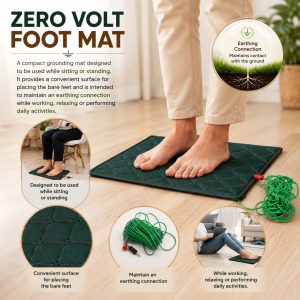
Here’s one more easy-to-do technique from Dr. BRC’s natural-health methodology that might be appealing to a lot of people: grounding (also known as Zero Volt Therapy (ZVT).
The idea is simple: connect with the natural ground. If you’re lucky enough to have a healthy, safe patch of grass or natural earth to walk on, take a stroll barefoot on the grass as a way to practice grounding. Dr. BRC defines barefoot contact with grass as zero-volt medicine.
But what if you live in a city, work long hours, or just don’t have access to a safe outside area?
This is where the Zero Volt Bedsheet fits into the Dr. BRC solution. The bedsheet acts as a grounding element that interfaces with an earthing system while you sleep and relax. This bedsheet is “aimed at facilitating relaxation, deeper rest, healthy circulation, and well-being as part of a healthy lifestyle.”
For someone experiencing fatigue, this idea specifically fits in because rest and recovery are integral to being energised. The main takeaway of Zero Volt Therapy is Rather than always searching for another product or remedy outside of your home, ask yourself: Is your daily schedule providing sufficient contact with nature, outdoor time, and restorative rest?
Barefoot walk on safe and natural ground One can take short barefoot walks on safe natural ground as an easy and accessible practice. For those who are not able to walk on grass or natural earth regularly, Zero Volt Bedsheets as a part of Dr. BRC is an option.
Sometimes, the best health practices are the easiest: spend a little time outdoors, slow down and get in touch with nature, and give your body the break it needs.

Can You Really Manage Fatigue at Home?
And this is where the idea of natural healing gets interesting.
For daytime exhaustion, which can be caused by poor quality sleep, lack of activity, stress, dehydration or inadequate diet, even small changes to your routine may have a positive impact.
Dr. BRC-style thinking makes people more conscious of these simple factors instead of simply reaching for the drugs or stimulants at every little upset.
You can incorporate food, movement, sleep, water, managing your stress and symptoms at home practices into a way of being more mindful of your health.
Final Thoughts: Pay Attention to the Reason for Your Fatigue
Constant fatigue can be easy to brush aside. We say we are just busy, we didn’t get enough sleep, or we are just aging. But the truth is, when we are constantly exhausted, it is time to slow down and re-evaluate your lifestyle.
What we eat, how we move, our sleep, hydration and stress levels-these little habits can have a big impact on how we feel. The Dr. BRC concept invites us to extend that idea by turning ourselves into someone else’s most active helper. The P.O.E.M. protocol for fatigue, including LL HWI, acupressure and easy, natural home remedies, provides another way to see how health issues can be easily fixed at home without being bothered about visiting a doctor or going through endless diagnostic tests.
This is not about seeking an instant solution each time you notice your energy falling, it is about knowing your body and adopting conscious and easy habits to optimize your well-being.
Because your body might not always be asking for the next stimulant or pill—it might just be asking you to notice.


