
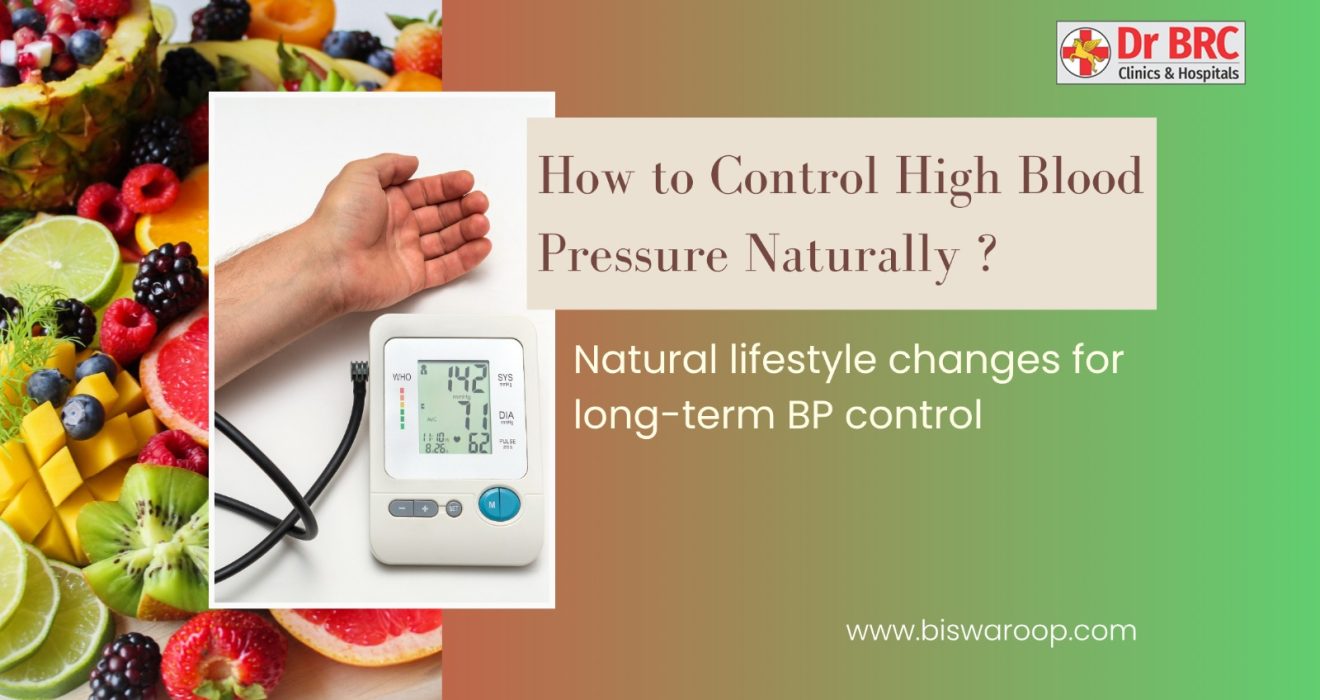
The Role of Diet, Sleep & Stress — Without Relying on Pills
Most people don’t question the blood pressure pills they’ve been taking for years. It feels like just another part of ageing: something to manage, not something to reverse. Dr. Biswaroop Roy Chowdhury has spent decades pushing back against that assumption, and his argument is hard to ignore.
According to his research and the thousands of cases he has personally documented, high blood pressure or hypertension is, for most people, not a lifelong condition. It is a message. The body is asking for something different: different food, different rest, a different relationship with stress.
What You Eat Is the First Prescription
Dr. Biswaroop developed the D.I.P. Diet — Disciplined and Intelligent People’s Diet — drawing from the landmark China Study on nutrition and years of clinical observation. The premise is straightforward: the human body heals itself far more efficiently when it is fed food that actually belongs in it.
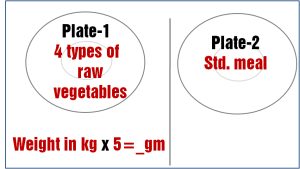
In practice, this means beginning the day with fruits — seasonal, regional, raw. Not juice, not a smoothie, not a handful of grapes alongside a paratha. Just fruits, eaten until noon. Before lunch and dinner, a plate of raw vegetable salad precedes the cooked meal. No packaged foods, no refined oils, nothing chemically altered.
The results Dr. Biswaroop’s patients report are hard to dismiss. Within 72 hours of starting the DIP Diet, many have seen measurable drops in blood pressure — drops significant enough that their doctors reduced or stopped their medications.
Sleep Is Not a Luxury — It Is a Blood Pressure Regulator
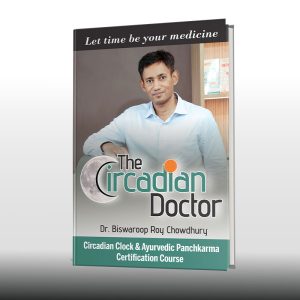
In his book The Circadian Doctor, Dr. Biswaroop writes about how out-of-sync body clocks quietly drive chronic disease. Sleep, he argues, is not simply rest — it is the window in which the nervous system resets, cortisol normalises, and blood vessels recover their flexibility.
He recommends grounding – walking barefoot on grass or soil for at least two hours daily , as a practice that genuinely improves sleep quality. The earth’s electrical charge, when absorbed through the soles of the feet, helps regulate melatonin production and reduces the kind of background inflammation that keeps the cardiovascular system in a constant state of low-level alert.
Morning sunlight plays a role here too. Dr. Biswaroop points to sunlight as a natural trigger for nitric oxide release- a compound that relaxes blood vessels and has a direct, measurable effect on blood pressure. Twenty to thirty minutes of early morning sun on bare skin, he suggests, is something no pill can replicate.

Stress Is the Invisible Villain
Chronic stress keeps the sympathetic nervous system switched on. The heart beats harder, blood vessels narrow, and over time the reading on the BP machine climbs. Dr. Biswaroop doesn’t simply say “reduce stress” and leave people to figure that out on their own. He prescribes specific, practical interventions like hot water immersion for the lower legs, Panchakarma therapies, time in nature – things that physically activate the parasympathetic response and let the body exhale.
His ‘Cure at 72 Hours‘ camps integrate all of this together — diet, sleep correction, stress relief and the documented outcomes across participants include resolution of hypertension in people who had been medicated for decades. Not managed. Resolved.
The Bigger Picture
What makes Dr. Biswaroop’s approach uncomfortable for some is also what makes it worth paying attention to: he asks people to consider that the root cause is the daily life they are living, not a deficiency of medication. The B.O.S.S. disorders — blood pressure, obesity, stiffness, sugar share a common origin. Chemicals coming in through food. Rhythms broken by modern schedules. A body never quite given the chance to heal.
His message isn’t anti-medicine so much as it is pro-body. Give it the right food, protect its sleep, remove the chronic stress load — and it will often do the rest. For many who’ve followed his protocols, that is exactly what happened.